
Publishing Fiction
with Palmetto
Share your wisdom and grow your brand with industry specific books.
Publishing a book on your own can feel overwhelming, with a whole maze of design choices, marketing strategies, and printing options to work through before your book ever reaches readers. That's where Palmetto Publishing Australia comes in, guiding you through it all.
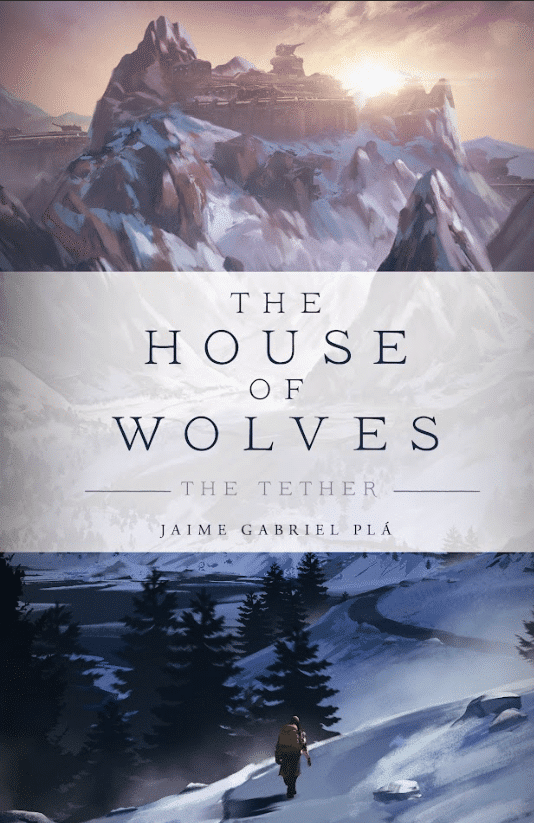
The House of Wolves
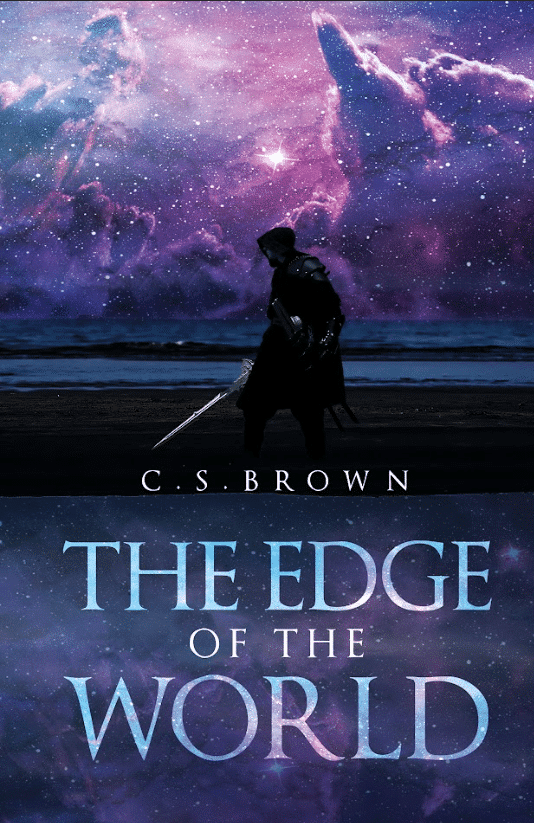
The Edge of the World
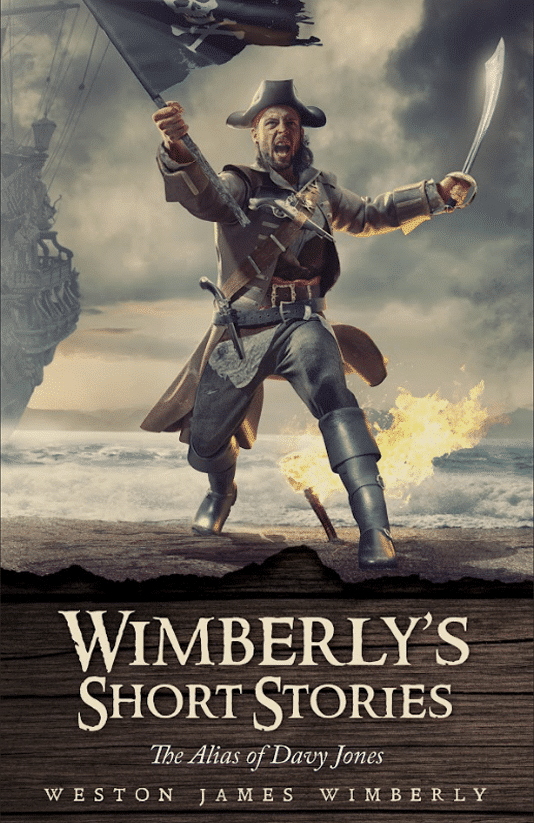
Wimberly’s Short Stories
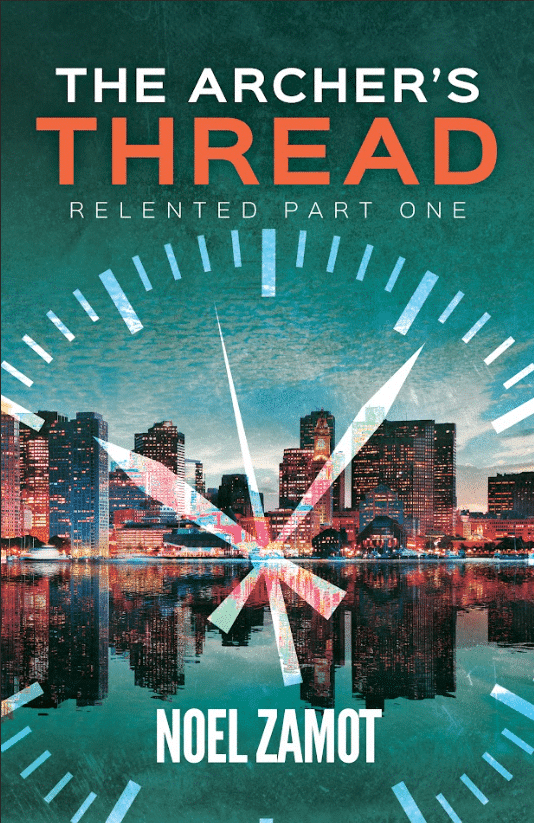
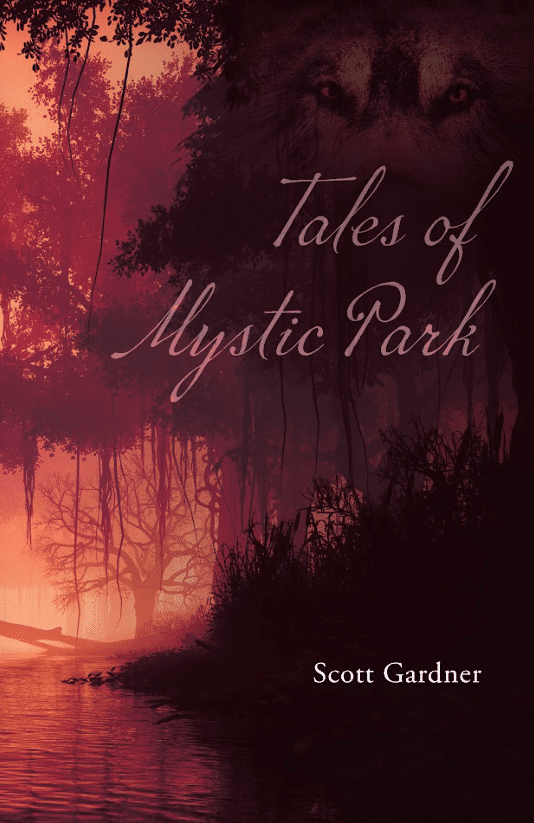
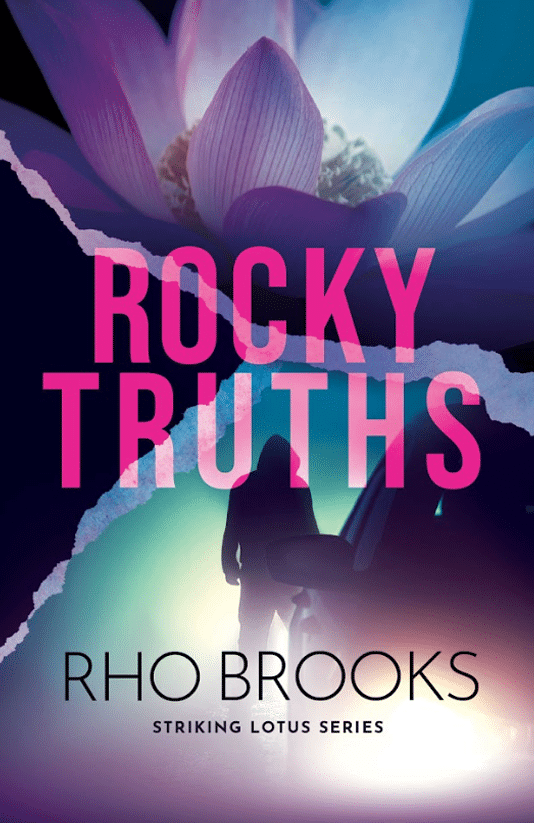
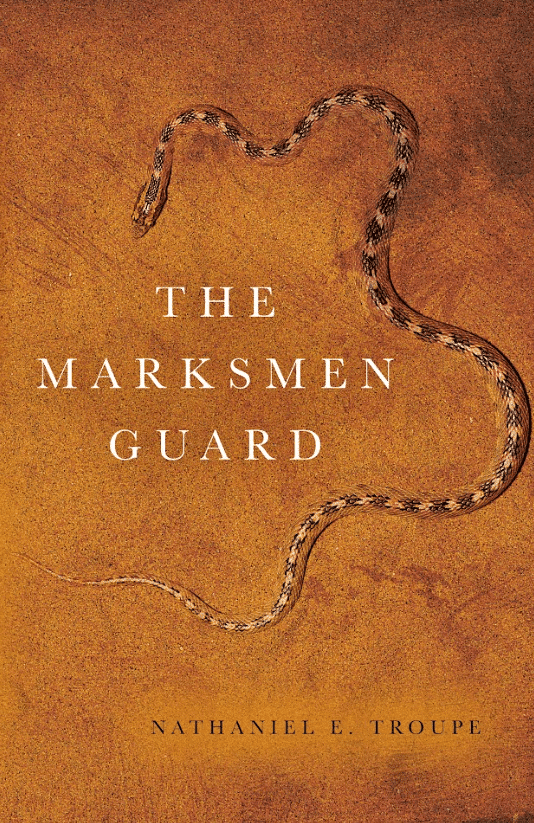
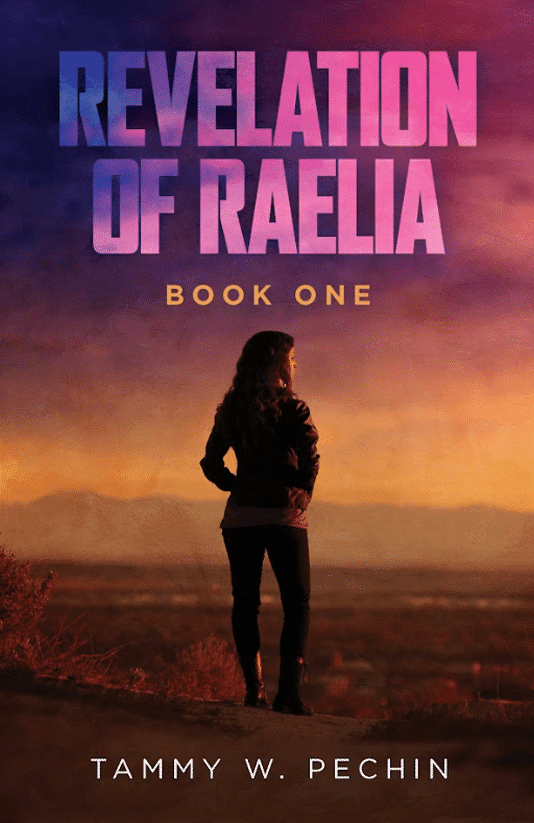
Fiction gives writers the freedom to share entirely original stories with readers, built around invented characters, plots, and settings. It's a flexible genre that can carry readers through a love story, a retelling of history, or a journey through a fantastical world — sometimes all within a single book.
Writing and publishing a fiction novel takes creativity, effort, and time, but there are plenty of resources to help take your book from a rough idea to a finished, polished product. The team at Palmetto Publishing Australia can support you through every step of publishing your fiction book.
Fiction vs Nonfiction
Fiction books are built on elements the writer invents — made-up characters, events, objects, and places. Christopher Paolini's fantasy novel Eragon is a good example, set in the imaginary country of Alagaësia and populated with dragons and other creatures that don't exist in the real world.
Nonfiction, by contrast, deals in factual accounts of real events, people, or subjects, which means writers need to research extensively and often interview sources to keep the narrative reliable and unbiased. Fiction writers do research too, but they use those facts as a springboard, bending and reshaping them to build their own creative story.
Plenty of books blend fiction and nonfiction, which can blur the line between the two genres for readers. The Great Gatsby is a good example — F. Scott Fitzgerald set it in real locations like Long Island and New York City, but the characters and events at the centre of the plot are entirely his invention.
As a general rule, if a book contains elements that exist only in the writer's imagination, it gets classified as fiction.

The Fundamentals of Fiction
Fiction covers an enormous range of scenarios and topics, but books in this genre tend to share a handful of fundamental elements. Weaving these fundamentals into your writing creatively is what turns a story into an engaging, distinctive book.

Character
Characters are central to any work of fiction — they can be animals, humans, imaginary creatures, or even objects like trees. Fiction leaves plenty of room for creativity, so the possibilities for inventing distinctive characters are essentially endless. Most characters play a specific role within the story. Common character types include:
- Antagonist: The main villain or opposing force the hero has to overcome.
- Protagonist: The main character who primarily drives the book’s plot.
- Narrator: The voice telling the story. Sometimes that's the protagonist themselves, and other times it's a separate persona, like an outside observer, recounting events.

Plot
Plot is the sequence of conflicts and events that drive the story forward, usually following a cause-and-effect chain — A happens, so the characters do B, which leads to C. Most fiction writers build their books around a handful of core plot components:
- Exposition: The opening introduction to the characters and the world the story unfolds in.
- Rising action: The building conflict between characters, driving a chain of incidents and interactions.
- Climax: The story's turning point, where the protagonist typically faces down their chief antagonist.
- Resolution: How the story wraps up, sometimes setting the stage for a sequel if the writer plans to revisit the same story world.

Point of View
Point of view is the perspective the story is told from. There are three main options to choose from:
- First-person: Told directly through the narrator's own perspective, using “I.”
- Second-person: These books are told from the perspective of “you.”
- Third-person: Told from a more distanced perspective, using pronouns like “she” or “they” to refer to the characters.

Setting
Setting is the time, place, and context the story unfolds in. Fiction gives writers plenty of room to reimagine real-world settings or build entirely new worlds from scratch.

Theme
Fiction often explores bigger ideas and deeper messages about life beneath the surface of the story. Fairy tales, for instance, often carry themes like the dangers of the wild or the importance of listening to parental figures.
Common Characteristics of Fiction
Fiction books share some core traits, but they also break down further into distinct genres, each with its own conventions, style, and familiar tropes readers expect. Romance, for example, typically leans on tropes like a happy ending, love triangles, and marriage. Popular fiction genres include:
- Action-adventure books
- Fantasy books
- Horror books
- Literary, or realistic, fiction books
- Mystery books
- Science fiction books
- Romance books
- Thriller books
- Young adult books
- Historical fiction
Within each genre, you'll also find subgenres — smaller clusters of books that share more specific traits. The mystery genre, for example, breaks down into these subgenres:
- Cozy mystery
- Forensic thriller
- Medical thriller
- Police procedural
Understanding the conventions of your chosen genre makes it easier to market your book to the right readers. Following genre-specific cover design trends, for example, helps you create an eye-catching cover that draws in your target audience.
The Benefits of Self-Publishing
Once your book is written, there's a big decision ahead. Here's why self-publishing has the edge over traditional publishing, especially for entrepreneurial authors:
- You’re guaranteed publication
- You keep creative control
- You can address either general or niche audiences
- There’s a faster turnaround to advertise
- You retain a much higher percentage of royalties
Get Started With Palmetto
Once your book is written, the next step is getting it into the hands of readers. If staying in control of your book matters to you, self-publishing is worth considering — it puts every final decision in your hands, from cover design to printing, and typically comes with higher royalties than a traditional publishing deal. Self-publishing can sound daunting, but working with a top-tier publisher like Palmetto Publishing Australia makes the process fast and straightforward. We offer a range of services to support you through it, including:
Authors Love Our Work
See what our customers are saying about our professional Fiction services!
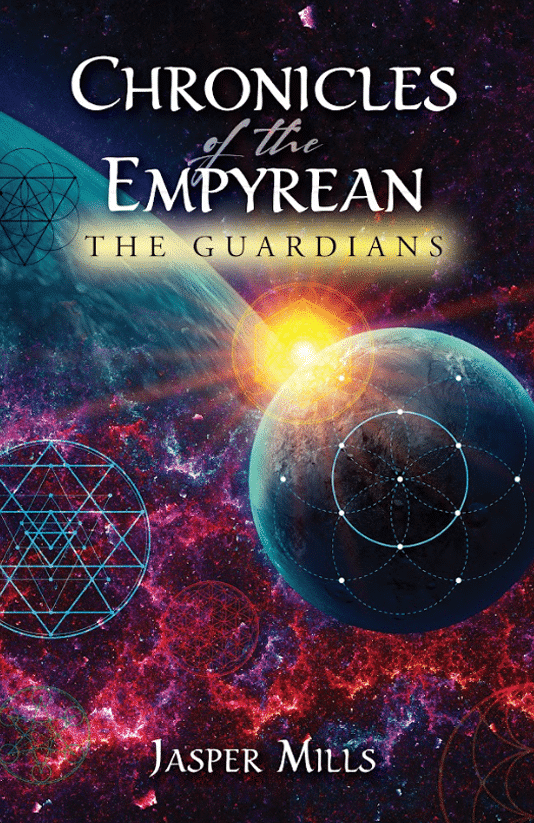
Jasper Mills
I am so pleased with Palmetto. I felt like I was working with right people, the moment I got off the consultation call. My project manager Erin M. was excellent! Answered my questions quickly and kept the project moving forward. The design team that put the cover together, did an outstanding job. But the editors…


