
Publishing Religious
with Palmetto
Share your wisdom and grow your brand with industry specific books.
Publishing a book on your own can feel overwhelming, with a whole maze of design choices, marketing strategies, and printing options to work through before your book ever reaches readers. That's where Palmetto Publishing Australia comes in, guiding you through it all.
7 Steps to Writing a Great Book Proposal two
7 Steps to Writing a Great Book Proposal three

7 Steps to Writing a Great Book Proposal Ten
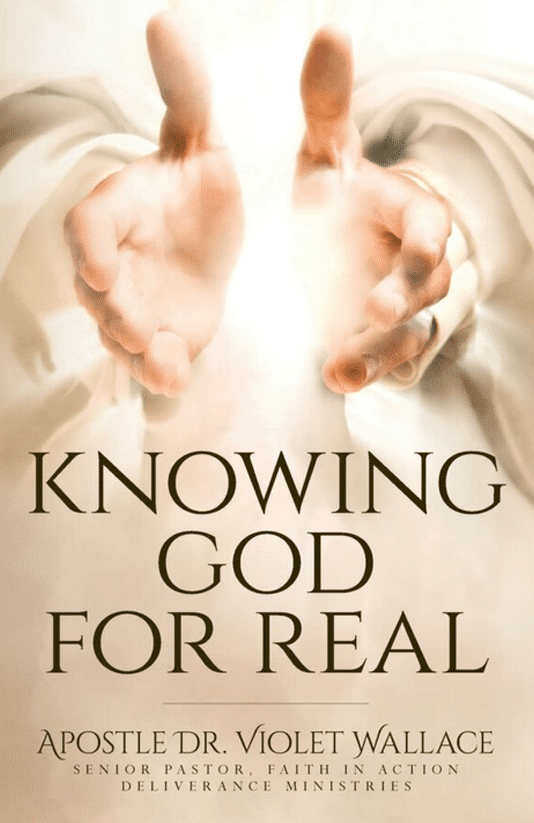
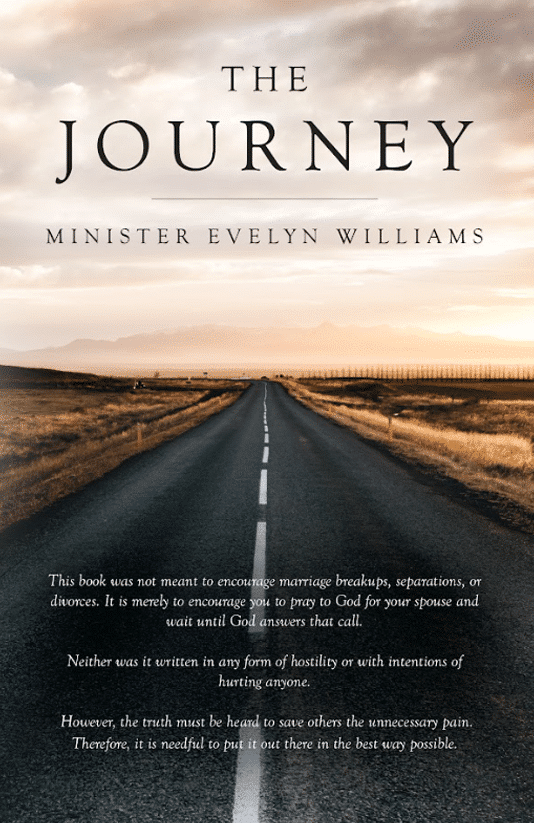


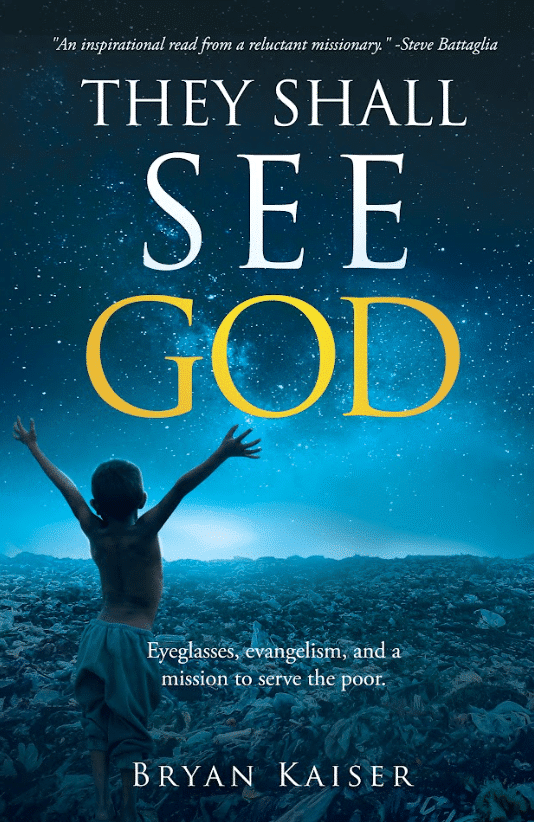

Many readers are looking to deepen their understanding of religion and spirituality, and religious books help meet that need, drawing readers closer to their faith. These books also give authors a way to share their own spiritual journey.
Writing a religious book means educating readers about your beliefs and faith, offering a uniquely emotional and spiritually fulfilling experience — though it comes with its own challenges too. Fortunately, the team at Palmetto Publishing Australia can streamline the process. Our experts have extensive experience self-publishing religious books and offer a broad range of services to help you finish and share your story.
What Are Religious Books?
Religious books explore themes around belief, faith, morality, and spirituality, spanning both fiction and nonfiction across a wide range of faiths and traditions — from Buddhism and Christianity to Judaism, Taoism, and beyond.
Examples of famous religious books include:
- Become a Better You by Joel Osteen
- A Grief Observed by C. S. Lewis
- Resilient: Restoring Your Weary Soul in These Turbulent Times by John Eldredge
- The Masterpiece by Francine Rivers
- She’s Still There: Rescuing the Girl in You by Chrystal Evans Hurst
- When God Whispers Your Name by Max Lucado

If you're just starting out on your religious book, reading widely in the genre can be genuinely useful. Studying other religious books helps you pick up common narrative strategies and tropes, as well as spark ideas of your own.
Popular Religious Book Genres
This flexible genre includes many subgenres, such as:
- Inspirational Books: Closely related to self-help books, these titles aim to inspire readers toward religious practice and better mental, physical, and spiritual health — for example, encouraging more frequent prayer or drawing parallels between Biblical stories and everyday personal challenges.
- Religious Fiction: Stories woven through with religious elements like allusions or symbolism, often featuring characters who reference and act on their spiritual beliefs. Some carry a clear religious message or worldview, while others simply aim to entertain.
- Religious Histories or Studies: These books examine the history and practices of a religion, typically written by academics or religious leaders to give readers a critical, historical, or social perspective.
- Spirituality Books: Often autobiographical and written in first-person, sharing the author's personal story of discovering their faith, deepening their relationship with God, or leaning on spirituality to overcome struggles.
Your goals, message, and target audience can help you figure out which subgenre suits your book. A deeply personal account of converting to Judaism, for example, would likely be marketed as a spirituality book, while a critique of central Christian doctrines might be better labelled a religious study.
Writing a Religious Book
Writing a compelling, genuinely inspiring religious book is a challenge even for skilled authors. Striking the right balance between entertaining and educating readers is key to drawing them in rather than alienating them.
These simple guidelines can help you create an excellent religious book:
- Avoid including too many religious clichés and references
- Show characters, or yourself, working through significant struggles with the help of religion
- Lean on your own faith and the expertise of religious leaders around you
- Empower your audience by encouraging them to engage in faith-based practices
- For fiction, keep religious and spiritual references subtle rather than heavy-handed
- Write characters who are flawed but redeemable, so your audience can genuinely relate
- Use simple language and concepts instead of complex philosophical theories
- Write a hopeful conclusion or a call to action
Above all, a religious book should leave readers with a positive feeling about faith and spirituality.
Ways To Publish Your Religious Book
Writing your religious book takes real effort and time, but the work isn't over once the manuscript is done — publishing is the next step if you want it reaching a wider audience. There's more than one path forward, but most authors land on either traditional or self-publishing.
With traditional publishing, you can pitch your religious book directly to a publisher or, more commonly, work with a literary agent. It's not unusual to face rejection from multiple publishers before finding the right fit, and there's no guarantee of acceptance at all.
Traditional publishing does have its advantages. Publishers typically have a full team of editors, designers, and marketers handling every step of the process, distributing your book widely and lifting much of the workload off your shoulders. In exchange, they usually take a large share of profits, and authors often have limited say in publishing decisions.
Self-publishing puts the process entirely in your own hands. It does mean a higher upfront investment, since authors cover the cost of printing themselves and often bring in specialists like editors and designers, but it can pay off more in the long run, since authors keep all or most of their royalties.
The Benefits of Self-Publishing
Once your book is written, there's a big decision ahead. Here's why self-publishing has the edge over traditional publishing, especially for entrepreneurial authors:
- You’re guaranteed publication
- You keep creative control
- You can address either general or niche audiences
- There’s a faster turnaround to advertise
- You retain a much higher percentage of royalties
Get Started With Palmetto
Once your book is written, the next step is getting it into the hands of readers. If staying in control of your book matters to you, self-publishing is worth considering — it puts every final decision in your hands, from cover design to printing, and typically comes with higher royalties than a traditional publishing deal. Self-publishing can sound daunting, but working with a top-tier publisher like Palmetto Publishing Australia makes the process fast and straightforward. We offer a range of services to support you through it, including:

Copy Editing

Hardcover Book Printing Service

Cover Design

Illustrations
Authors Love Our Work
See what our customers are saying about our professional Religious services!
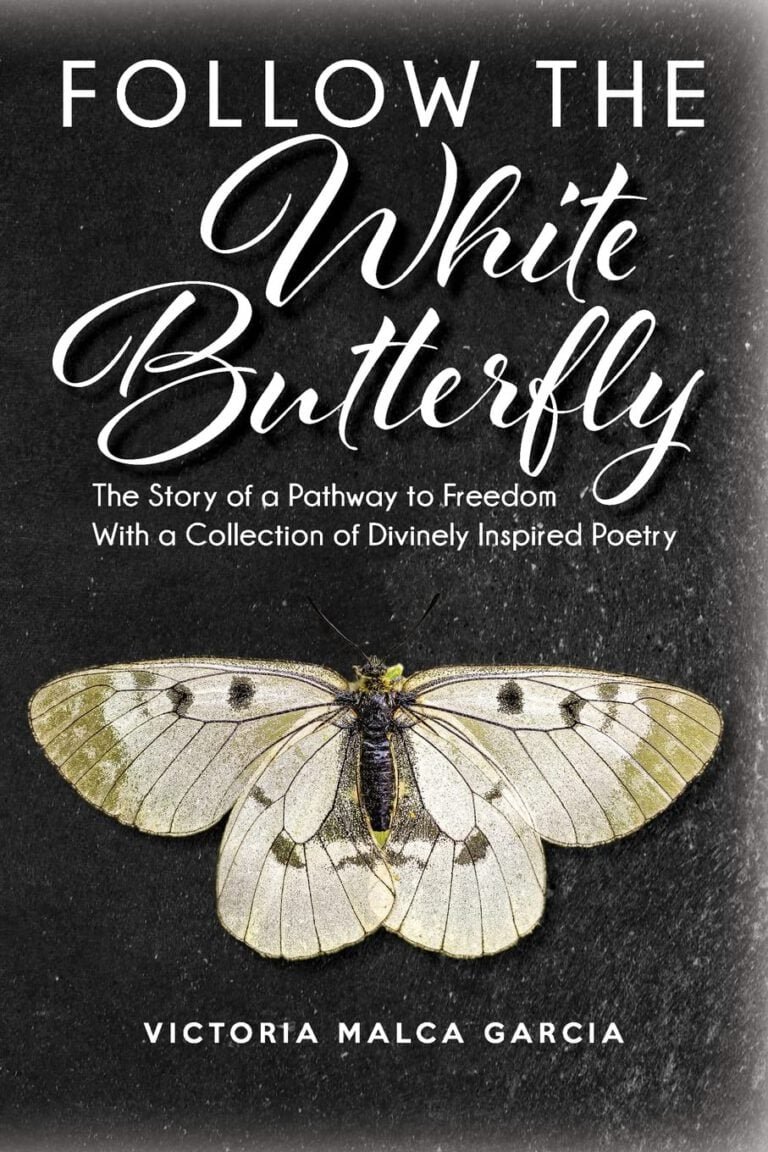
Victoria Garcia
I cannot tell you what a relief it was to have them in my corner helping me through every step of the process. If you are hesitant to take this step with your book, look no further, and put your trust in this fabulous team!


